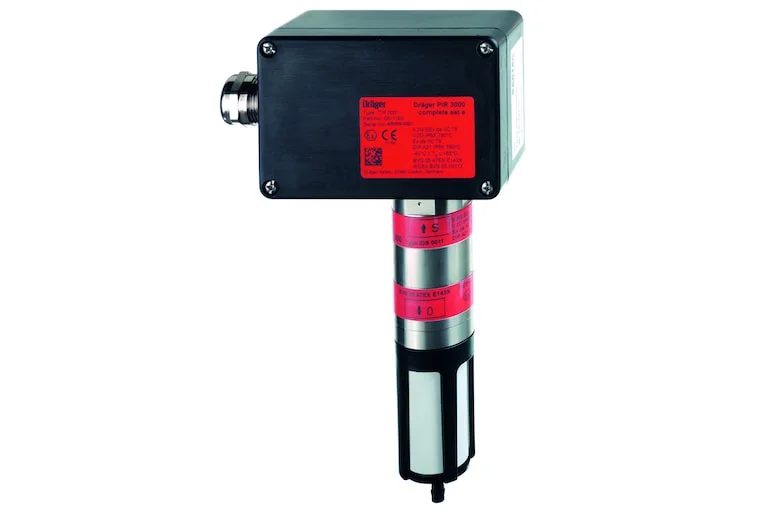
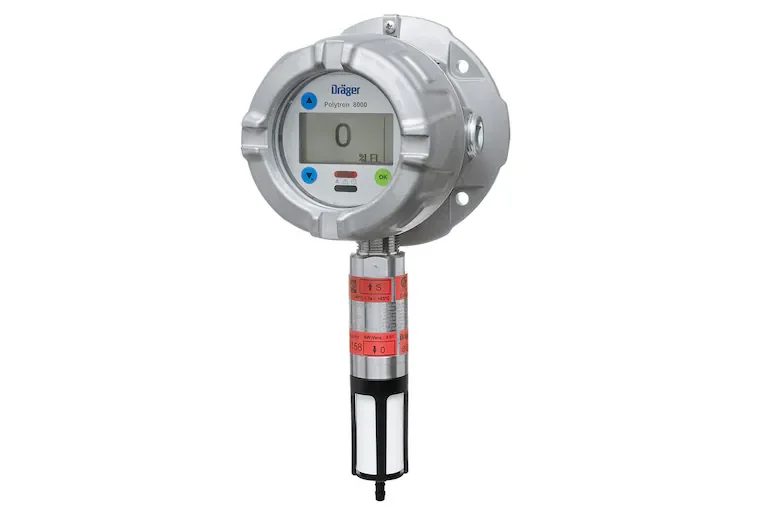
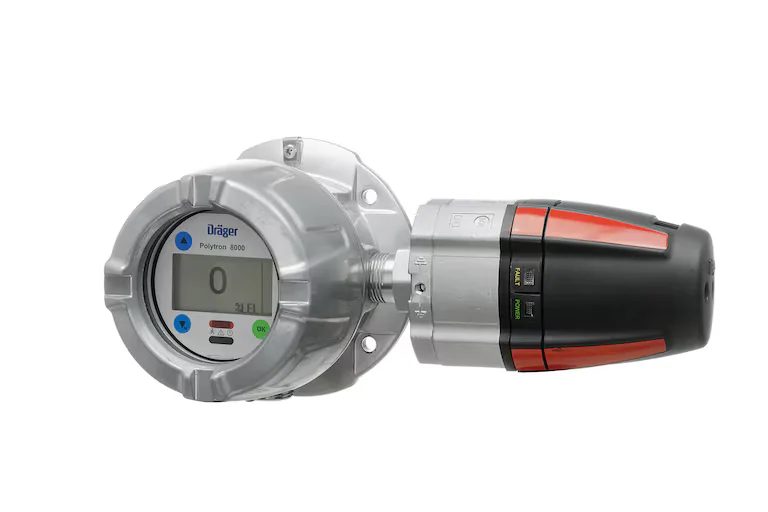
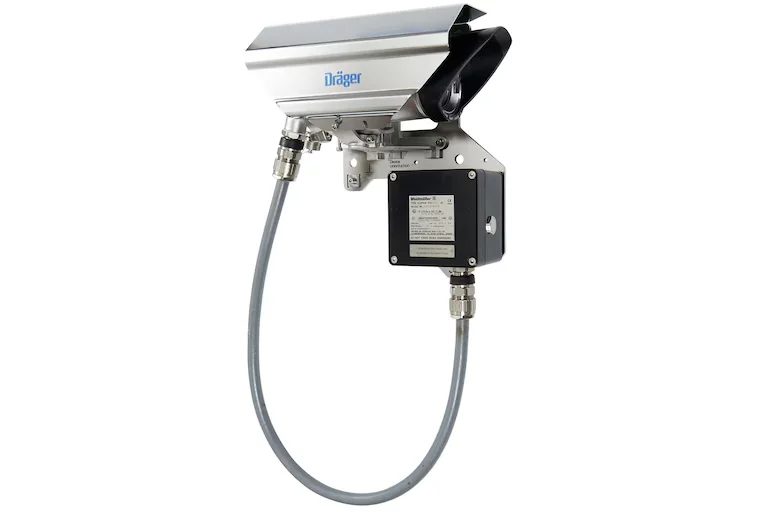
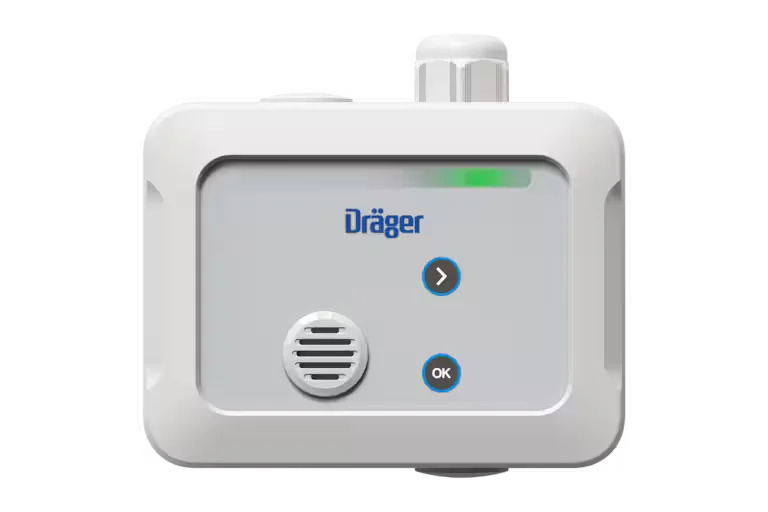
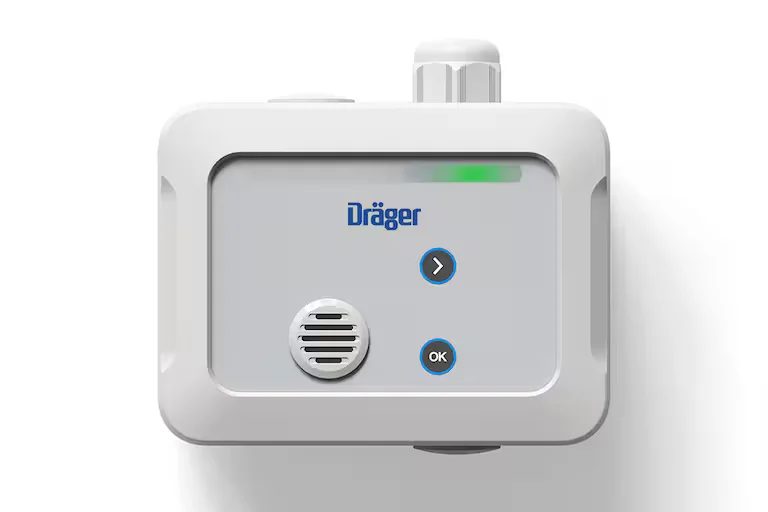
Dräger PEX 3000
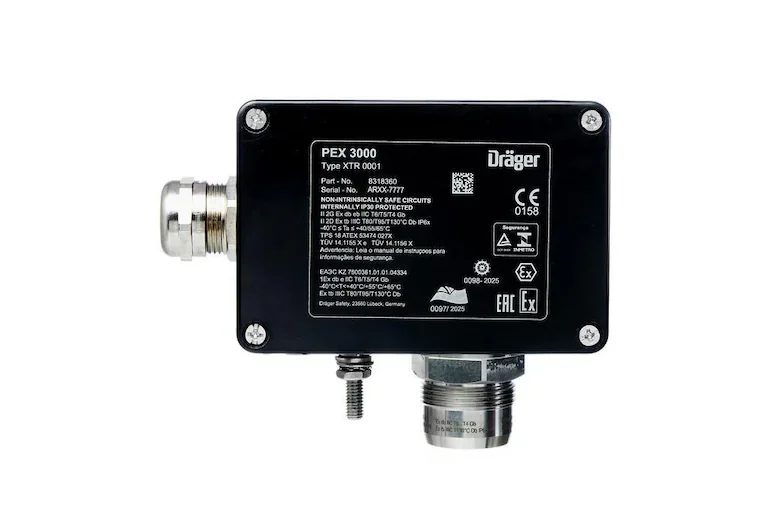
Transmitter for continuous monitoring of flammable gases and vapours
- Transmitter for continuous monitoring of flammable gases and vapours
- Offers drift-free optics and robust product design
- Suitable for the harshest industrial environments
Highlights
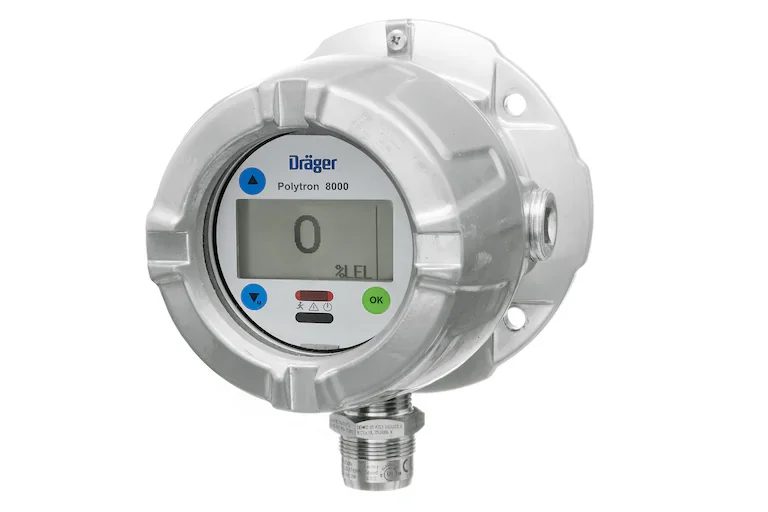
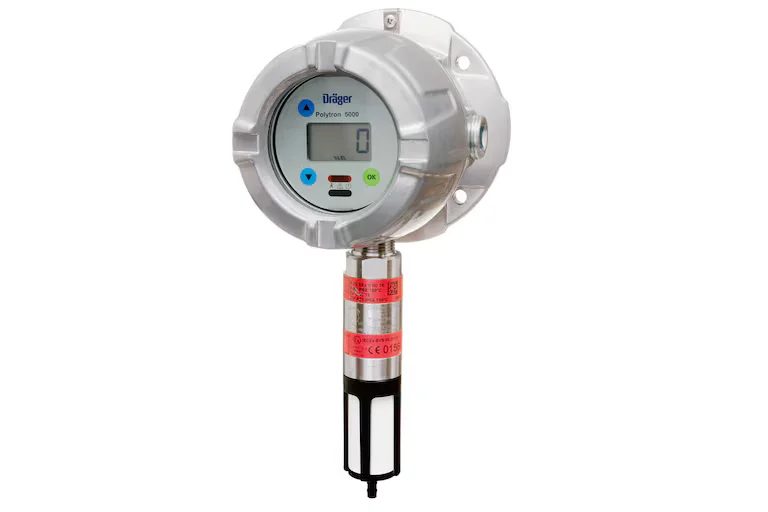
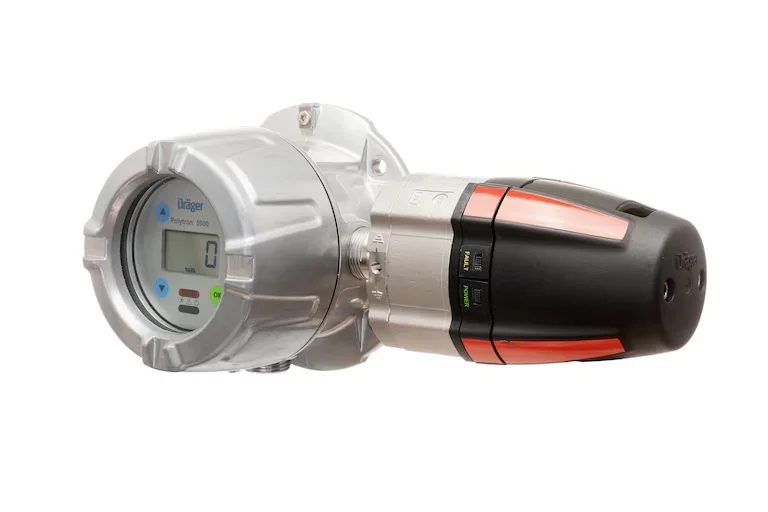
The Dräger PEX 3000 transmitter detects flammable gases and vapours in concentrations below their lower explosive limit (100 % LEL). It helps you to increase the explosion protection of your plant. Its heat-tone sensor reacts to gas within just a few seconds, and the measurement signal remains particularly stable over the long term.
Two transmitter variants
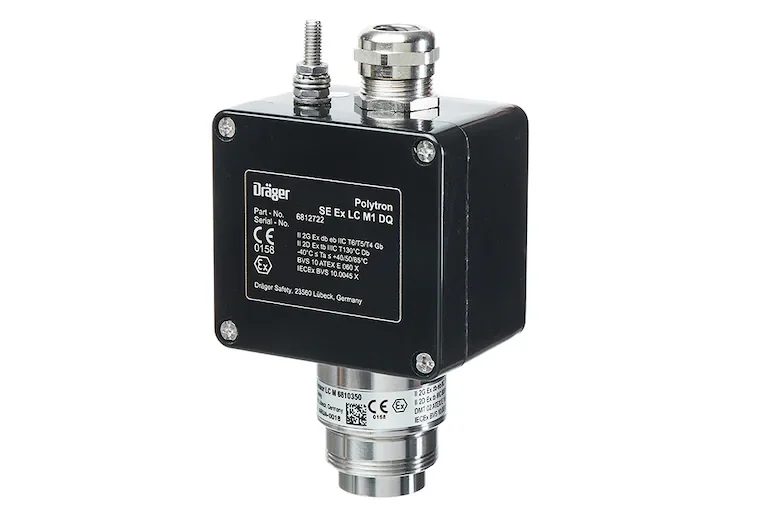
Choose between two measurement ranges (0 to 100% or 0 to 10% LEL). Do you want to position the transmitter and sensor separately? The remote variant includes a second cable input instead of the built-in sensor for connecting a Polytron SE Ex remote measuring head.
Simple installation
The three stripped individual wires of the shielded measuring cable are simply inserted into the spring-loaded clamps provided on the transmitter. The sensor is connected in the same way. This type of contact is state of the art. It is more reliable than screw clamp technology, as it is impossible for it to loosen itself.
One-person calibration
You do not need an additional handheld control unit. Maintenance and calibration are carried out directly on the opened transmitter using only two buttons and a two-digit 7-segment display. And this is expressly permitted even in Ex areas!
Explosion protection
The Dräger PEX 3000 is approved according to the EU Directive 2014/34/EU for operating temperatures between -40 and +65 °C, making it suitable for use in both gas and dust hazardous Ex areas (Zones 1, 2, 21, and 22).
Low gas concentrations
The Dräger PEX 3000 Type XTR 0011 transmitter features a special low-drift LC sensor, making it ideal for detecting gases at low concentrations. It reliably detects gas leaks at levels below just 10% LEL.
The heat-tone sensor
The catalytic DrägerSensor DQ is based on the heat-tone principle. The most important component is the hot, catalytically active beads on platinum coils (pellistors). These pellistors burn the gas, generating additional reaction heat. The temperature increases depending on the gas concentration, which in turn changes the electrical resistance of the platinum coils. This change is transmitted as a measurement signal. The double-detector compensation method ensures the heat-tone sensor remains particularly stable over the long term. The wire mesh at the gas inlet acts as a flame arrester. This provides explosion protection while maintaining a short response time.
Key Facts
Technical Data
Approvals
Files
- All documents9
- Product Information Sheets2
- Instructions for Use (IFU)2
- Brochures & Catalogues4
- Certificates & Approvals1